Traumatic Wounds
When Injuries Don't Heal as Expected
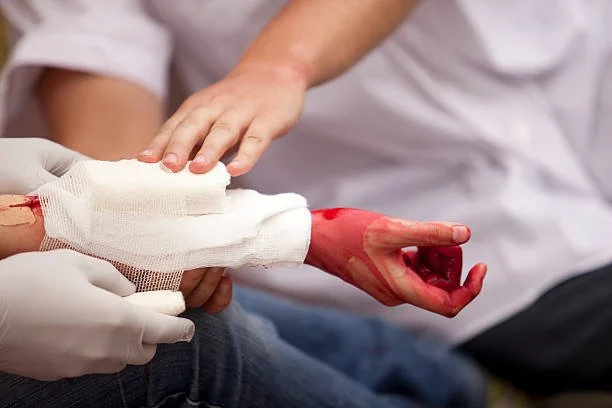
Traumatic wounds result from sudden injuries—falls, accidents, burns, skin tears, crush injuries, or other trauma. While many traumatic wounds heal with basic first aid and time, some become complicated by factors like patient age, underlying health conditions, wound severity, infection, or delayed treatment. These complex traumatic wounds require specialized intervention to prevent complications and achieve healing.
At Best Wound Care, we manage traumatic wounds that have become problematic. Our Nurse Practitioners treat severe skin tears in elderly patients, complicated lacerations, burns requiring ongoing management, crush injuries with tissue damage, and traumatic wounds complicated by diabetes, poor circulation, or other health conditions that impair healing.
Types of Traumatic Wounds
Traumatic wounds encompass various injury types, each with specific healing challenges:
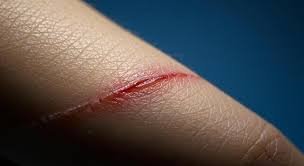
Lacerations
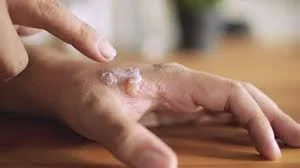
Deep or irregular cuts that may involve underlying structures. Complications arise when lacerations aren't properly cleaned, develop infection, or occur in patients with healing impairments.
Skin Tears
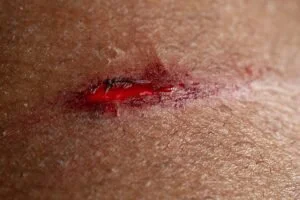
Especially common in elderly patients with fragile skin, skin tears occur when skin separates from underlying tissue, creating flap-like wounds. Skin tears are classified by severity from partial-thickness to full-thickness with tissue loss.
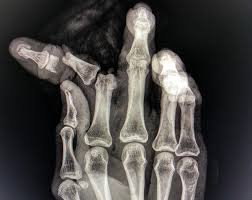
Crush Injuries
Trauma that compresses tissue, damaging not just skin but underlying muscle, blood vessels, and bone. The full extent of damage may not be immediately apparent, with tissue death developing over days.
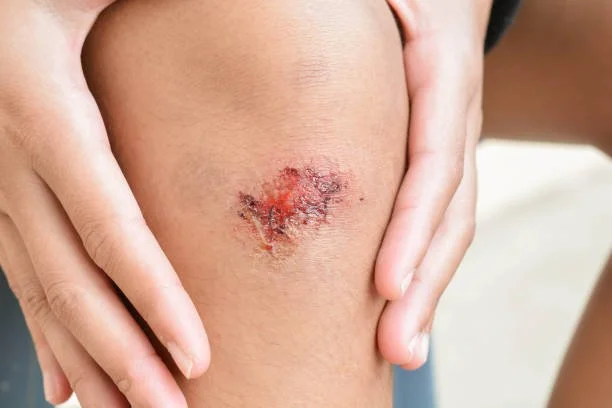
Abrasions
Scraping injuries that remove skin layers. While often superficial, large abrasions can become complicated by infection, scarring, or healing delays in high-risk patients.
Burns
Thermal, chemical, or electrical burns that destroy skin layers. Second-degree burns involve deeper layers and may require specialized care. Third-degree burns destroy full skin thickness.
Traumatic Wounds
Traumatic wounds that initially seem straightforward can develop serious complications requiring expert intervention:
Infection Risk
Traumatic wounds are contaminated at the time of injury. Without proper cleaning and management, bacteria proliferate, leading to cellulitis, abscess formation, or systemic infection.
Tissue Viability Concerns
Crush injuries and severe skin tears compromise blood supply to tissue. Determining what tissue will survive versus what will become necrotic requires clinical judgment and monitoring.
Elderly Patient Vulnerability
Older adults with fragile skin, multiple medications (especially blood thinners and steroids), and healing impairments are at high risk for complicated healing even from minor trauma.
Scarring
Burns and large traumatic wounds risk disfiguring scars or contractures that limit function, especially when crossing joints.
Delayed Treatment Consequences
Traumatic wounds not properly treated in the first 24-48 hours are more likely to develop infection and healing complications.
Underlying Disease Impact
Diabetes, vascular disease, immunosuppression, malnutrition, and chronic diseases significantly impair traumatic wound healing, turning routine injuries into chronic wounds.
Contact us
Interested in working together? Fill out some info and we will be in touch shortly. We can’t wait to hear from you!