Biologic Therapies
Some wounds need more than conventional dressings and care.
When chronic wounds fail to heal despite standard treatment, or when wounds are particularly complex, biologic therapies offer a powerful solution. At Best Wound Care, our Nurse Practitioners utilize advanced cellular and tissue-based products that actively promote healing by providing the biological building blocks wounds need to repair themselves.
These sophisticated therapies represent the cutting edge of wound care, bringing regenerative medicine directly to patients who need it most.
What are Biologic Therapies?
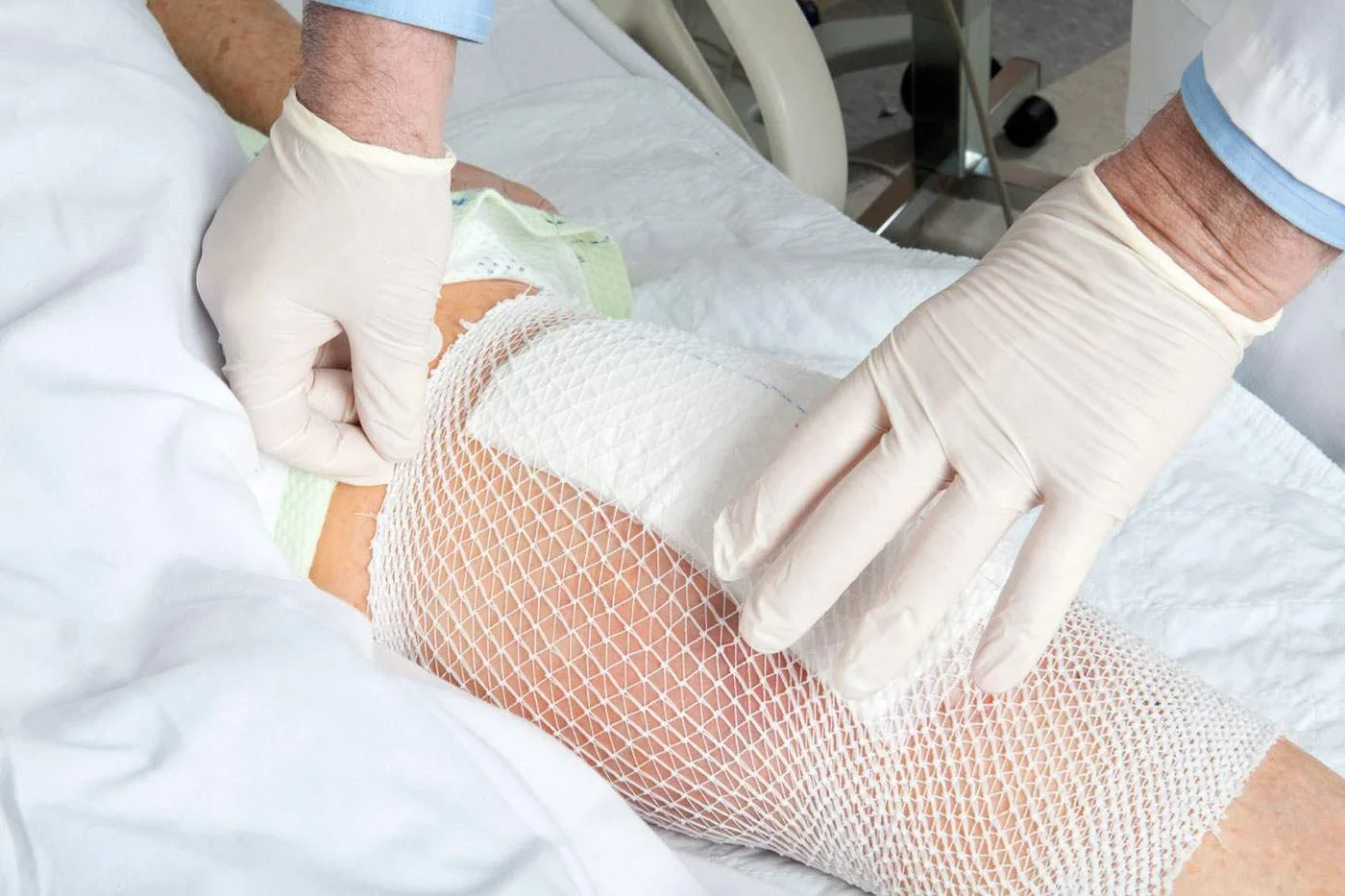
Biologic therapies—also called cellular and tissue-based products (CTPs)—are advanced wound treatments derived from human tissue that contain living cells, growth factors, proteins, and structural components that actively promote wound healing.
Unlike traditional dressings that simply cover and protect wounds, biologic therapies participate in the healing process. These products essentially give stalled wounds the biological "instructions" and materials they need to resume the healing process.
Biologic Therapies provide:
Structural Support
A three-dimensional framework that physically supports tissue regeneration. This scaffold maintains proper wound architecture while cells rebuild damaged tissue, preventing collapse and promoting organized healing.
Growth Factors
Proteins that stimulate cell growth, tissue regeneration, and blood vessel formation. Growth factors signal cells to migrate to the wound, multiply, and produce the building blocks needed for new tissue.
Living Cells
Viable cells that actively participate in the healing process by producing growth factors, reducing inflammation, and stimulating the patient's own cells to repair damaged tissue.
Extracellular Matrix
A structural scaffold that provides a framework for new tissue growth. This matrix guides cells to the right locations and supports the formation of healthy skin architecture.
Biological Signals
Chemical messengers that coordinate the complex healing process, telling cells when to multiply, when to produce collagen, and when to form new blood vessels.
When Biologics Therapies Make a Difference
Biologic therapies are powerful tools for wounds that haven't responded to standard care. Our Nurse Practitioners consider these advanced treatments for:
Chronic Non-Healing Wounds Wounds that have stalled despite appropriate conventional treatment may lack the biological factors needed for healing. Biologic therapies replenish these missing components.
Diabetic Foot Ulcers Diabetes impairs the body's natural healing processes. Biologic products can compensate for these deficiencies and promote closure in difficult diabetic wounds.
Venous Leg Ulcers Long-standing venous ulcers often develop a chronic wound environment. Biologic therapies can help "reset" the wound and restart the healing cascade.
Pressure Injuries Deep pressure ulcers affecting muscle and other tissues benefit from biologics that support complex tissue regeneration.
Complex Surgical Wounds Post-surgical wounds with complications or delayed healing may respond to biologic intervention.
Large or Deep Wounds Extensive wounds that would take months to heal through granulation alone can be accelerated with biologic support.
The Recovery Timeline
Post-surgical wound healing timelines vary significantly based on wound size, depth, infection presence, and patient health status:
Skin Substitutes and Grafts
These advanced products provide a temporary or permanent replacement for damaged skin. Modern skin substitutes contain cells and proteins that integrate with the patient's own tissue, jumpstarting the repair process and providing a foundation for new skin growth.
Collagen Matrices
Collagen is the primary structural protein in skin and tissue. Collagen-based biologic products provide a natural framework that guides cell migration and new tissue formation. These matrices support wound contraction and epithelialization—two critical processes in wound closure.
Stem Cell and Cellular Therapies
Some of the most advanced biologic products contain stem cells or other specialized cells that can differentiate into the various cell types needed for tissue repair. These products bring regenerative potential directly to the wound site.
Growth Factor Products
These therapies concentrate the proteins and signaling molecules that orchestrate wound healing. Growth factors stimulate cell division, promote blood vessel formation, and accelerate tissue regeneration. They're particularly valuable for wounds where the body's natural healing signals have become depleted or disorganized.
Success means achieving wound closure, whether by secondary intention or reclosure, preventing complications, and returning patients to their expected post-operative recovery trajectory.
The Advantages of Biologics in Recovery
Biologic therapies are powerful, but they're not magic.
For optimal results, they must be part of a complete wound care strategy that addresses all factors affecting healing. Our Nurse Practitioners integrate biologic products with our other specialized treatments to provide our patients with as many advantages as possible in their recovery.
Active Healing, Not Just Protection
Biologics participate in the healing process rather than passively covering the wound
Addresses Chronic Wound
Helps break the cycle of stalled healing in chronic wounds
Reduces Healing Time
Can significantly accelerate closure compared to conventional treatment alone
Supports Complex Tissue Repair
Provides the biological components needed for multi-layer tissue regeneration
Backed by Science
These products undergo rigorous testing and FDA evaluation
Hope for Difficult Wounds
Offers options when conventional approaches have failed
Contact us
When wounds won't heal despite excellent conventional care, it's time to consider advanced biologic therapies. Our experienced Nurse Practitioners have the expertise to determine when these sophisticated treatments are appropriate and how to integrate them into a comprehensive healing strategy.
Contact Best Wound Care today to discuss whether advanced biologic therapies are right for your patients' complex wounds.