Atypical Wounds
Expert Diagnosis and Treatment for Uncommon Wound Causes
Atypical Wounds Need Specialized Care
Atypical wounds are those that don't fit the common patterns of pressure injuries, diabetic ulcers, or vascular wounds. They result from uncommon causes—autoimmune diseases, inflammatory conditions, vasculitis, malignancy, medication reactions, or rare metabolic disorders. These wounds often present diagnostic puzzles: they appear in unusual locations, have distinctive characteristics, or fail to respond to standard wound care that should be working.
At Best Wound Care, our Nurse Practitioners have the clinical experience to recognize when a wound doesn't fit expected patterns. We understand that atypical wounds require investigation beyond routine wound assessment, and that treating them as common wounds can actually make them worse. Early recognition and appropriate management are critical to healing these complex, often painful wounds.
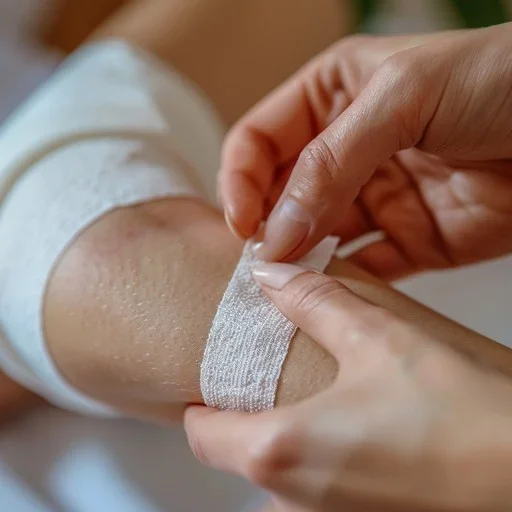
Atypical wounds present unique challenges that make them among the most difficult wounds to manage.
Misdiagnosis Risk
These wounds are often initially treated as pressure injuries or vascular ulcers, wasting weeks or months on ineffective therapy while the wound progresses.
Wounds with Underlying Disease
Local wound care alone cannot heal these wounds. The underlying condition (autoimmune disease, vasculitis, malignancy) must be identified and treated for wound healing to occur.
Pain Management Complexity
Many atypical wounds are extraordinarily painful, requiring specialized pain management approaches beyond typical wound pain.
Rare Conditions Require Expertise
Many healthcare providers may see these conditions only once or twice in their careers. Recognition requires clinical experience and high index of suspicion.
Delayed Diagnosis Worsens Outcomes
The longer atypical wounds are misdiagnosed and improperly treated, the larger they become, the more tissue is lost, and the harder they are to
Treatment Can Cause Harm
Standard wound care approaches can worsen certain atypical wounds. Treatments that help common wounds may actually make these wounds bigger and more painful when the underlying cause is different.
These wounds require providers who can recognize when standard care doesn't fit, who know which atypical conditions to consider, and who can coordinate care with specialists who treat the underlying diseases.
Contact us
Interested in working together? Fill out some info and we will be in touch shortly. We can’t wait to hear from you!